
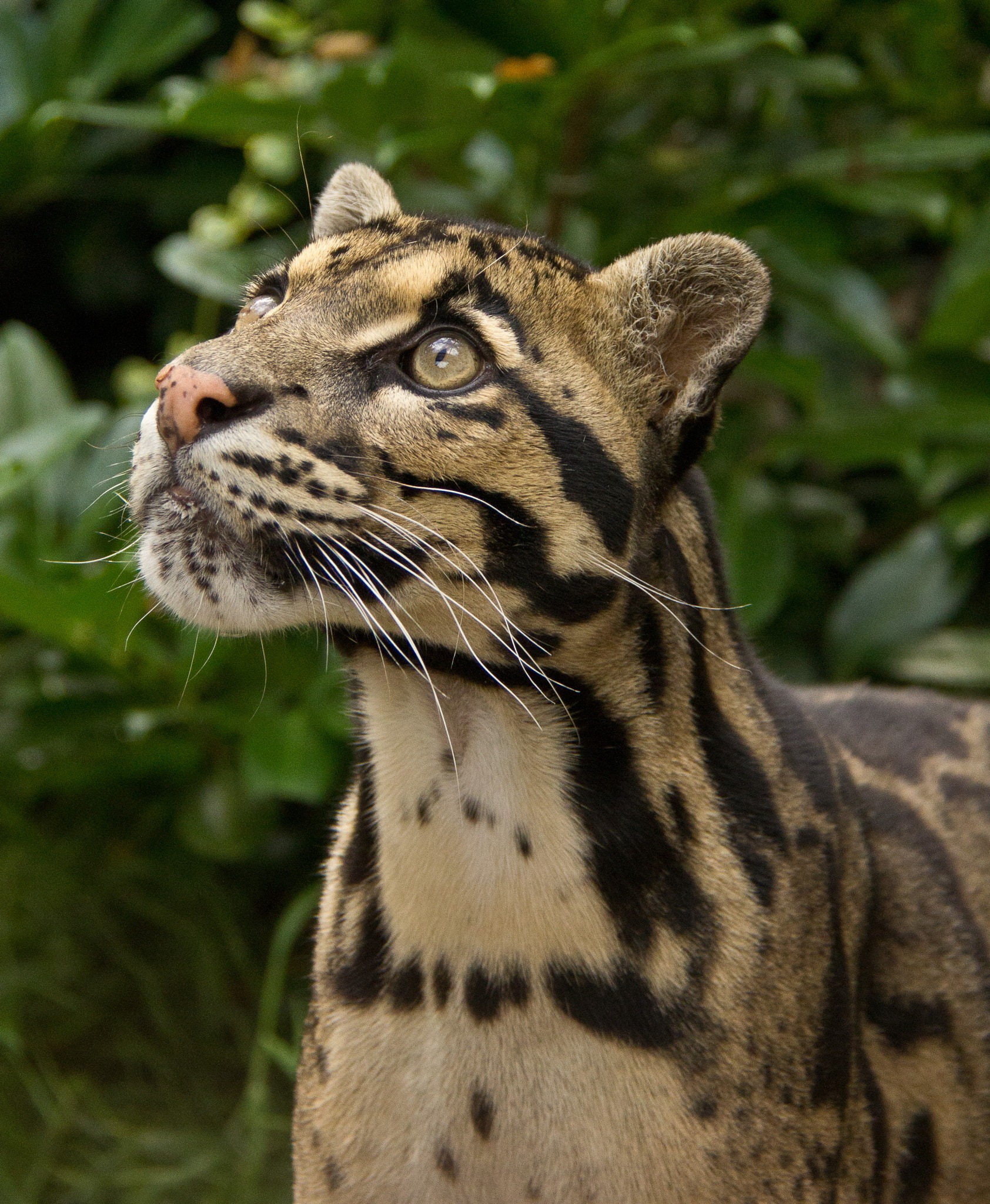
Dampa Tiger ReserveThe underrated gem in North-East India's crown
Rarely the first name on a North-East itinerary, Dampa in western Mizoram is one of India's richest forests: more than 175 birds, eight wild cats, eight primates and a remarkable range of snakes, frogs and fish.
When it comes to exploring the wilderness of North-East India, Dampa Tiger Reserve is rarely the first place that comes to mind. That doesn't mean it deserves to be overlooked. It is one of the most biodiverse places in the region: from birds to mammals, snakes to frogs, fishes to butterflies, Dampa offers some of the most exclusive wildlife experiences in India.
Dampa was declared a wildlife sanctuary in 1985, and a tiger reserve in 1994. It lies in the Mamit district of western Mizoram and covers almost 988 sq km, 545 sq km of core and 443 sq km of buffer, or almost 32% of the district's land.
From its highest point, Chhwarpiatlang (1,085 m), to its lowest, the Khawtlantuipui riverbed (50 m), the reserve holds tropical wet evergreen forest, tropical semi-evergreen forest, tropical moist deciduous forest and bamboo brakes, and with them a unique and diverse flora and fauna. Its secondary growth is one of the key reasons for its beauty, and an important habitat for the animals that live here. Hill streams, moss-covered woods, shady trails, high canopies and moist weather: together, they make Dampa what it is.
Birds: where patience pays
Dampa is a place where a birder's attention really pays off. More than 175 bird species have been recorded here, and some are so elusive that birders dream of seeing them even once in a lifetime.
White-cheeked Partridge and Grey Peacock-Pheasant thrive in the deep undergrowth. Alongside them, Eastern Himalayan prinias such as Rufescent Prinia and Rufous-crowned Prinia, in the grasses of the rocky areas, are a real treat for birders and bird photographers.
Dampa's iconic birds include Cachar Bulbul, Red-headed Trogon, Blue-eared Barbet, Pale-chinned Flycatcher, Ruby-cheeked Sunbird, Malayan Night Heron, Blyth's Paradise Flycatcher and Besra. In truth, naming Dampa's iconic birds means leaving out many other notable species.
Through the year
Spring migration, March to May. Spring brings several remarkable species within reach of birdwatchers' scopes, and it is one of the most productive times of the year: White-cheeked Partridge, Grey Peacock-Pheasant, Banded Bay Cuckoo, Square-tailed Drongo-Cuckoo, Great Eared Nightjar, Malayan Night Heron, Brown Boobook, Red-headed Trogon, Blue-bearded Bee-eater, Oriental Dollarbird, Blue-eared Barbet, Pied Falconet, Blue-naped Pitta, White-bellied Erpornis, Maroon Oriole, Blyth's Paradise Flycatcher, Rufous-crowned Prinia, Rufescent Prinia, Sultan Tit, White-throated Bulbul, Cachar Bulbul, Black-crested Bulbul, Yellow-browed Warbler, Rufous-fronted Babbler, Pale-chinned Flycatcher, Ruby-cheeked Sunbird and more.
Breeding season, June to mid-August. Most birds breed from June to July, some into mid-August. Under Government of India rules, tiger reserves are also closed in this season to avoid disturbance, so it is best avoided.
Winter. Winter is another chance to go birding, but expectations are lower, mainly because there is still little data to target specific birds. Winter may not be the best choice, then, but it is a chance to observe and discover. Most of Dampa's birds are residents, and every visit gives you something to remember.
Mammals: exclusive and elusive
Here Dampa stands taller than most places in India. Eight species of cats have been recorded and reported several times: Bengal Tiger, Indian Leopard, Clouded Leopard, Marbled Cat, Leopard Cat, Asiatic Golden Cat, Jungle Cat and Fishing Cat.
Sadly, Dampa's tiger population is not stable: according to the data published from the last census, in 2022, there is no resident tiger. The causes may vary, but we hope to see tigers thriving here again, with their cubs, in the near future.
Beyond the cats, Dampa is rich in primates. Eight species live here, with more or less stable populations for the size of the land: Western Hoolock Gibbon, Capped Langur, Phayre's Leaf Monkey, Slow Loris, Assamese Macaque, Northern Pig-tailed Macaque, Rhesus Macaque and Stump-tailed Macaque.
Other important residents include Malayan Sun Bear, Himalayan Black Bear, Dhole (the Indian wild dog), Asian Elephant, Gaur, Wild Boar, Barking Deer, Sambar, Himalayan Serow, Binturong, Small-clawed Otter, Crab-eating Mongoose, Yellow-throated Marten, Indian Palm Civet, Small Indian Civet, Himalayan Civet, Chinese Pangolin and Malayan Giant Squirrel. Such a variety shows that Dampa is not only extraordinary for wildlife, but also vast, spread across different altitudes, with a stable ecosystem.
Reptiles: the lesser-known stars
Dampa is best known for the richness of its birds and mammals, and rightly so. But its reptiles could well become one of the main reasons for wildlifers to set foot in this mighty place.
With its moist climate, dense foliage and secondary growth, and much of it untouched, Dampa holds some extraordinary snakes: Wall's Keelback, Khasi Hills Keelback, Orange-collared Keelback, Brown and Mizo Rain Snakes, Tawny Cat Snake, Assamese Cat Snake, Günther's Kukri, Gray's Kukri, Zaw's Wolf Snake, Mock Viper, Large-eyed False Cobra, Assam Snail-eater, Spot-tailed Pit Viper, Pope's Pit Viper and more. Such a diversity of snakes is rare in a single tiger reserve, and one more reason Dampa is a gem in North-East India's crown.
More about Dampa
- More than 28 species of amphibians have been recorded so far, among them the Manipur Moustached Ichthyophis, a caecilian found only in North-East India.
- More than 50 species of fish swim in its hill streams. Garra dampaensis, Pethia rutile and Channa aurantipectoralis were first described from here.
- Dampa has a strong population of Clouded Leopards: more than 5 individuals per 100 sq km.
Dampa could fill many more pages on its plants and animals. All we can do is hope that this habitat lasts, and stays as rich as it is. Exploring Dampa is a dream come true for anyone who loves the wild.
References
- eBird
- NTCA: brief note on Dampa Tiger Reserve
- Journal of Threatened Taxa: an updated checklist of the reptiles of Dampa Tiger Reserve
- Journal of Environmental Biology: Ichthyofauna of Dampa Tiger Reserve rivers, Mizoram
- Caught on camera: insights into Mizoram's mammalian diversity through a camera-trap-based distance sampling approach
Photo credit
- Cover: “Clouded Leopard” by Lee Elvin, CC BY-SA 3.0, via Wikimedia Commons. Photographed at The Big Cat Sanctuary, Kent, UK.