
In Search of the Black Tiger
Similipal in northern Odisha is the only known wild home of the rare “black tiger”. Its forests, waterfalls and wildlife, and how to visit with the right expectations.
Into the ancient forests, misty hills and wild heart of Odisha
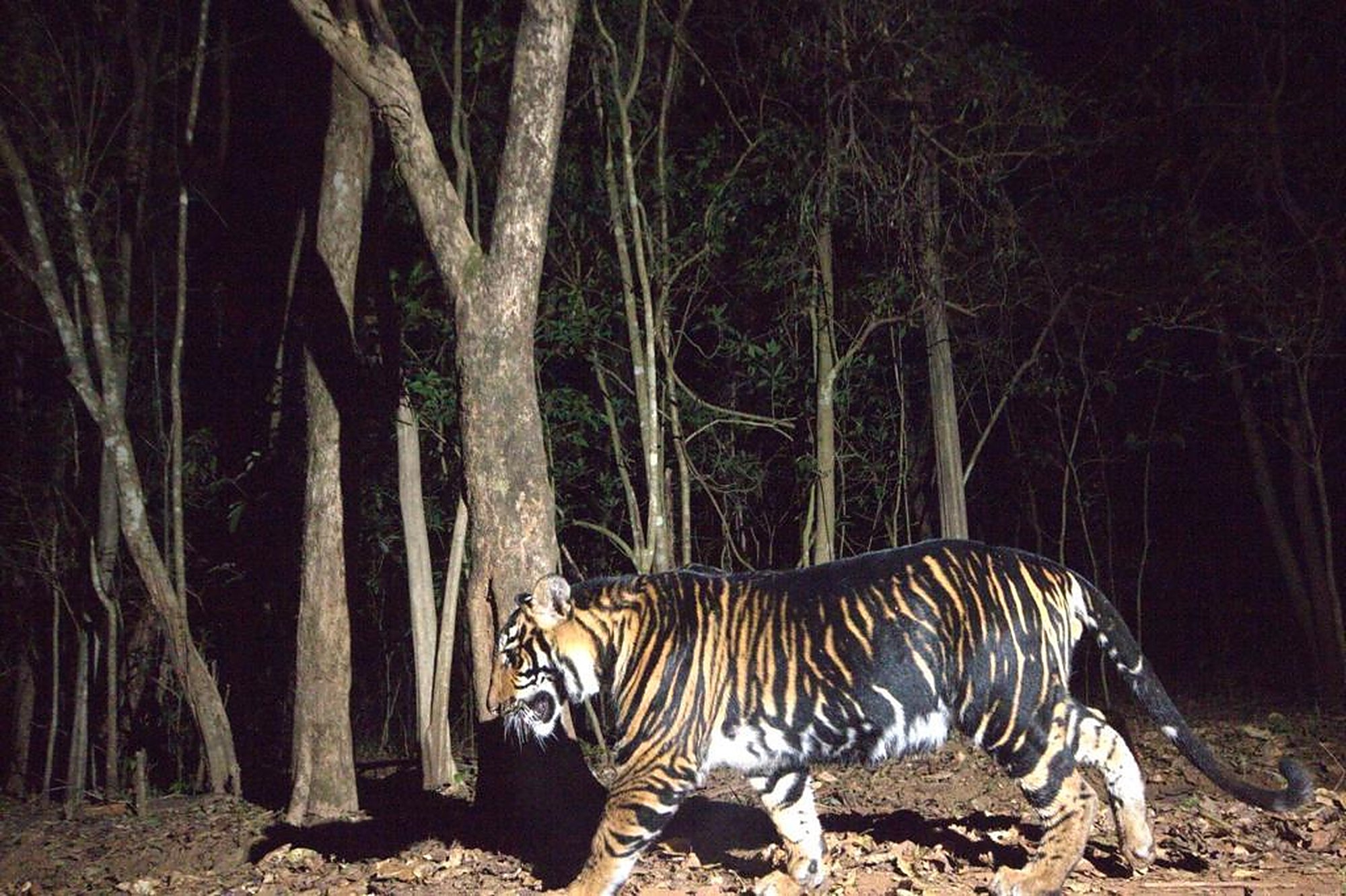
There are wildlife journeys that begin with a destination, and others that begin with a question. In Similipal, in the northern reaches of Odisha, the question is extraordinary: somewhere beyond the sal trees, along a forest road fading into shadow, might a tiger appear whose stripes seem to have swallowed the gold of its own coat?
Similipal is one of India’s most distinctive wilderness landscapes. It is a place of rolling green hills, deep valleys, ancient trees, tumbling rivers and waterfalls that plunge through the forest. It is also the only known wild home of the rare pseudo-melanistic Bengal tiger—the animal widely known as the black tiger. For travellers who dream of seeing wildlife on its own terms, few destinations hold quite the same combination of mystery, beauty and possibility.
A landscape made for getting lost in
Spread across a vast protected landscape in Mayurbhanj district, Similipal feels less like a single attraction and more like an entire world. Sal forests rise around winding roads; bamboo and mixed woodland thicken the shadows; streams cut through rocky ground; and the hills open occasionally into long, breath-catching views. The forest changes character as the light moves, from cool blue-grey dawn to bright green mornings and the deep gold of late afternoon.
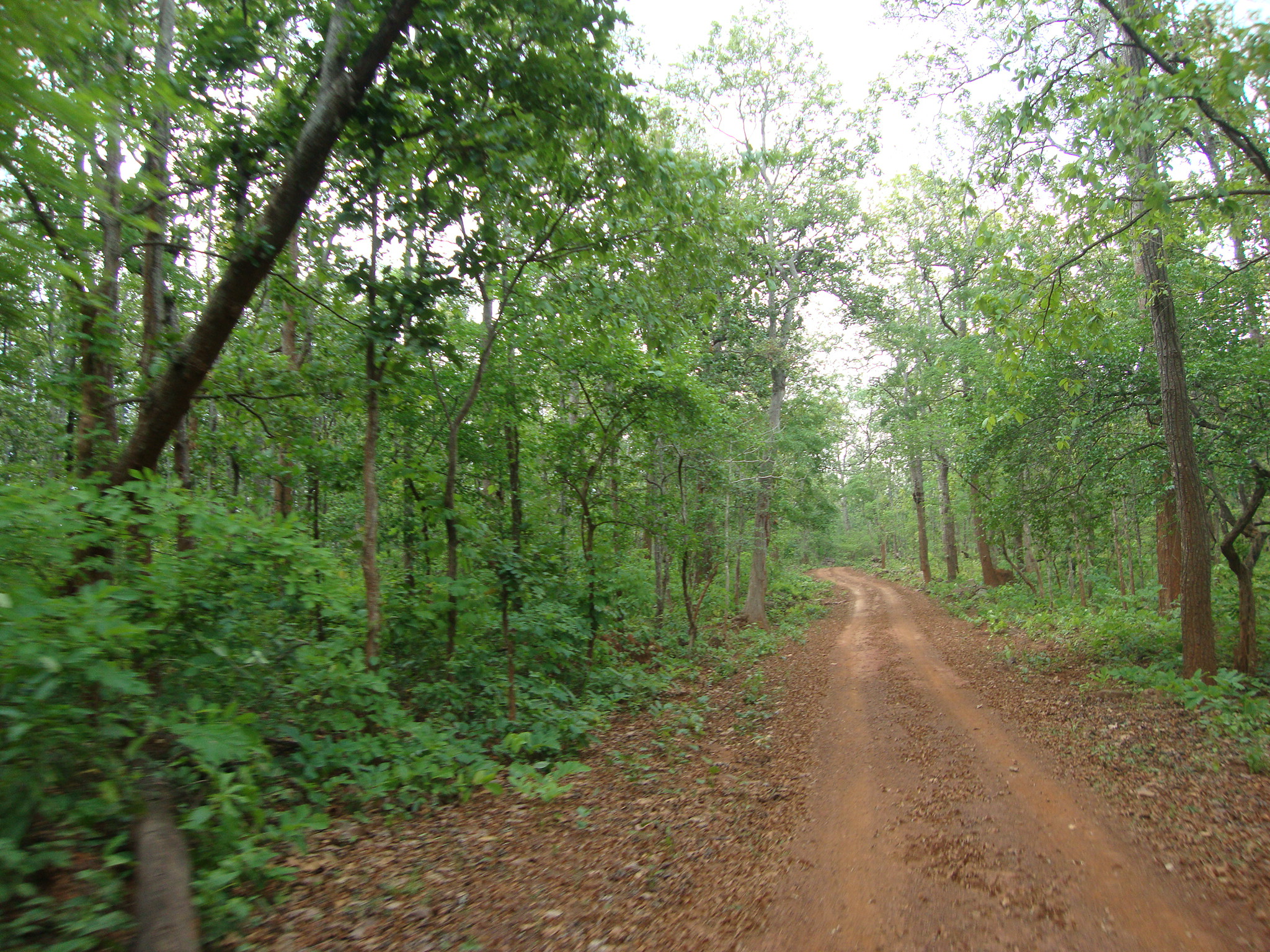
The reserve’s scale is part of its appeal. You do not simply arrive, take one photograph and feel you have seen Similipal. The experience unfolds slowly: a call from the canopy, a flash of movement beside the road, fresh tracks in the dust, a distant alarm call, or a sudden glimpse of a valley through the trees. Even when the larger animals remain hidden, the forest keeps offering reasons to pay attention.
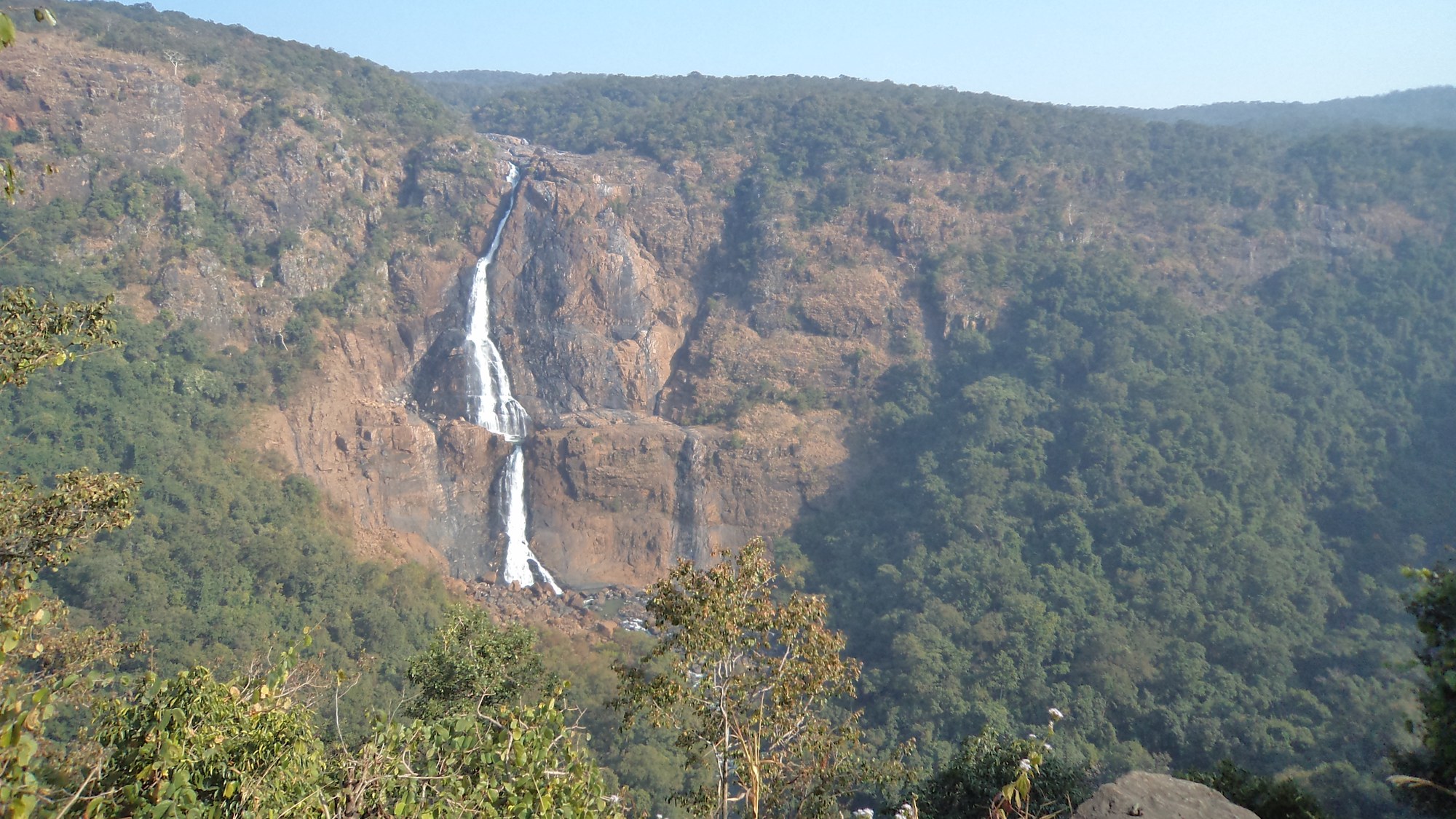
Then there are the waterfalls. Barehipani and Joranda are among Similipal’s best-known natural landmarks, dramatic cascades set within a landscape where water and forest seem inseparable. The hills, streams and forest corridors give the journey a sense of adventure that extends well beyond the hope of seeing a tiger.
The black tiger: a rare wonder of the wild
The animal that draws many curious travellers to Similipal is not a separate species, nor is it simply a tiger that has turned completely black. These are Bengal tigers with an unusual genetic trait that produces unusually broad, closely merged dark stripes. The pattern can make the animal appear almost black at a glance, especially in the shaded forest. Scientists describe this appearance as pseudo-melanism.
The phenomenon is exceptionally rare in the wild, and Similipal is the only place where these tigers are known to occur naturally. That makes the reserve globally significant—not just for visitors hoping to witness an extraordinary animal, but also for the conservation of a distinctive genetic variation in one of India’s most iconic predators.
Imagine the moment: the vehicle slows, the guide gestures towards the trees, and a shape emerges between the trunks. For a second, the forest seems to hold its breath. The tiger’s dark, unusually broad stripes break up its outline, turning the familiar image of a Bengal tiger into something almost otherworldly. It might cross the track, pause in the undergrowth or vanish before everyone has fully processed what they saw.
That is the dream—but it is important to travel with the right expectations. A black tiger sighting is never guaranteed. Tigers are elusive wild animals, and sightings depend on luck, conditions and the animal’s movements. A safari should not be judged only by whether the rarest animal appears. The privilege is entering its habitat and experiencing the forest that sustains it.
More than one animal, more than one reason to visit
Similipal is not a one-species destination. Asian elephants move through its forests, while gaur, deer, leopards and many smaller mammals share the landscape. For birdwatchers, the reserve’s variety of habitats makes every drive worth watching closely. Hornbills, forest birds and the constant movement of life in the canopy can turn an ordinary stretch of road into a memorable wildlife encounter.
Look beyond the large mammals and the details become just as rewarding: butterflies along a sunny opening, a reptile warming near a track, fungi emerging from damp wood, or the changing textures of the forest after rain. The reserve’s biodiversity is one of its greatest treasures. Travellers who slow down and observe carefully may come away with a richer story than the one they originally planned to tell.
What a Similipal safari feels like
A safari here is an invitation to explore, not a promise of a close encounter. The vehicle follows authorised routes through forest and hills, accompanied by the people who know the area and its rules. Early starts bring cooler air and the chance to experience the forest as it wakes; later drives offer a different quality of light and atmosphere. Along the way, the landscape itself becomes part of the adventure.
Resist the urge to spend every minute scanning only for stripes. Listen to your guide, watch the edges of the road, notice bird calls and look for signs of animal movement. Keep your camera ready, but leave room to experience the place without a screen between you and the forest. If a tiger does appear, follow the guide’s instructions and allow the animal space to move naturally.
Because access, routes and visitor arrangements can change with the season and forest conditions, plan through the official Similipal Tiger Reserve or Odisha Eco-Tourism channels. Confirm the entry gate, safari zone, permitted vehicle, timings and accommodation before travelling. The reserve’s published notice states that the 2026–27 tourist season is scheduled to open on 1 November 2026; check the latest official update before setting out.
Planning your journey
Similipal lies in Mayurbhanj district in northern Odisha. Visitors commonly plan their approach through Baripada or Jashipur, depending on the gate, route and stay they choose. Give yourself enough time to travel without rushing, and consider staying nearby or at an authorised nature camp if the current arrangements allow it. A longer visit gives you more time to appreciate the landscape rather than treating the reserve as a quick stop.
Pack neutral, comfortable clothing, a light layer for early mornings, binoculars, a camera with a useful zoom, water for the journey where permitted, and any personal medication you need. Follow all forest rules, keep noise low, never feed or call wildlife, and take every piece of litter back out. Check health advice before visiting; the reserve’s official guidance flags malaria risk, so ask a qualified healthcare professional about suitable precautions well before departure.
Most importantly, do not build the entire trip around a guaranteed black tiger sighting. Build it around the chance to explore one of India’s most remarkable forest landscapes. If the tiger appears, it may become a memory you carry for the rest of your life. If it does not, Similipal can still offer waterfalls, birds, elephants, forest light and the rare pleasure of spending time in a living wilderness.
Go for the tiger. Stay for the forest.
There is something powerful about travelling in search of an animal that may never reveal itself. It asks for patience, humility and a willingness to accept that nature does not perform on demand. Similipal rewards that attitude. Its beauty is not confined to one rare tiger; it is woven through the hills, the rain-fed streams, the enormous trees and every sound that travels through the green.
The black tiger gives Similipal a legend, but the landscape gives the legend its meaning. Come for the possibility of seeing one of the world’s most unusual wild tigers. Come for the waterfalls and the winding forest roads. Come to watch, listen and feel the scale of a place where the wild still sets the terms.
And when the road bends into shadow, look carefully. You never know what the forest might choose to reveal.
Before you go
Travel note: Safari access, timings, fees and routes can change. Confirm all arrangements through official channels before booking. Black tiger sightings are not guaranteed; observe wildlife responsibly and follow your guide’s instructions.
Photo credits
-
Cover: “Black tiger roaming around Simlipal National Park” by the Government of Odisha, CC BY 4.0, via Wikimedia Commons
-
“SIMILIPAL FOREST RANGE” by Rabi Narayan Udgata, CC BY-SA 4.0, via Wikimedia Commons
-
“Simlipal National Park, Mayurbhanj” by Wiki GSD, CC BY-SA 3.0, cropped, via Wikimedia Commons